
Execution got cheap.Design judgement didn't.
Since 2021, I started designing products professionally from end-to-end, from the problem framing through to the interface. Currently the design function at Doow, a SaaS intelligence and spend platform for finance teams. Before that, lead designer at PlayAI (YC W23), acquired by Meta. Read more
What I actually do.
The pixels are the easy part. What matters is which problem is the real one, how to even think around and about a problem in the first place, what a product should refuse to do, and what gets cut when time runs out. Also, since design decisions affect the users and the business, most of my job is finding how to harmonize and strategically align design with business goals.
I try not to decide on instinct. I talk to the people who'll use it, employ the appropriate and necessary research method for the stage of development, put rough versions in front of them early to validate educated assumptions and usability.
The lines blur on most projects, so I take up the product manager's half of the problem about as often as designing.
AI is how I do more of it, really fast. I build working versions in days instead of weeks, so we react to how something behaves rather than how it looks in a review. I also contribute directly to the codebase.
Worked across different industries.
Though diverse, with unique problems, they are multiplicities of a unity that can be tackled by thinking from First Principles. Here are a few: Generative AI (Text-to-Speech and Voice Cloning tools), Customer Relationship Management (CRM), Virtual Gaming Photography, E-commerce, SaaS Intelligence and Recruitment Industry.
Work I'm proud of.

Tempo | Temporary Staffing Platform
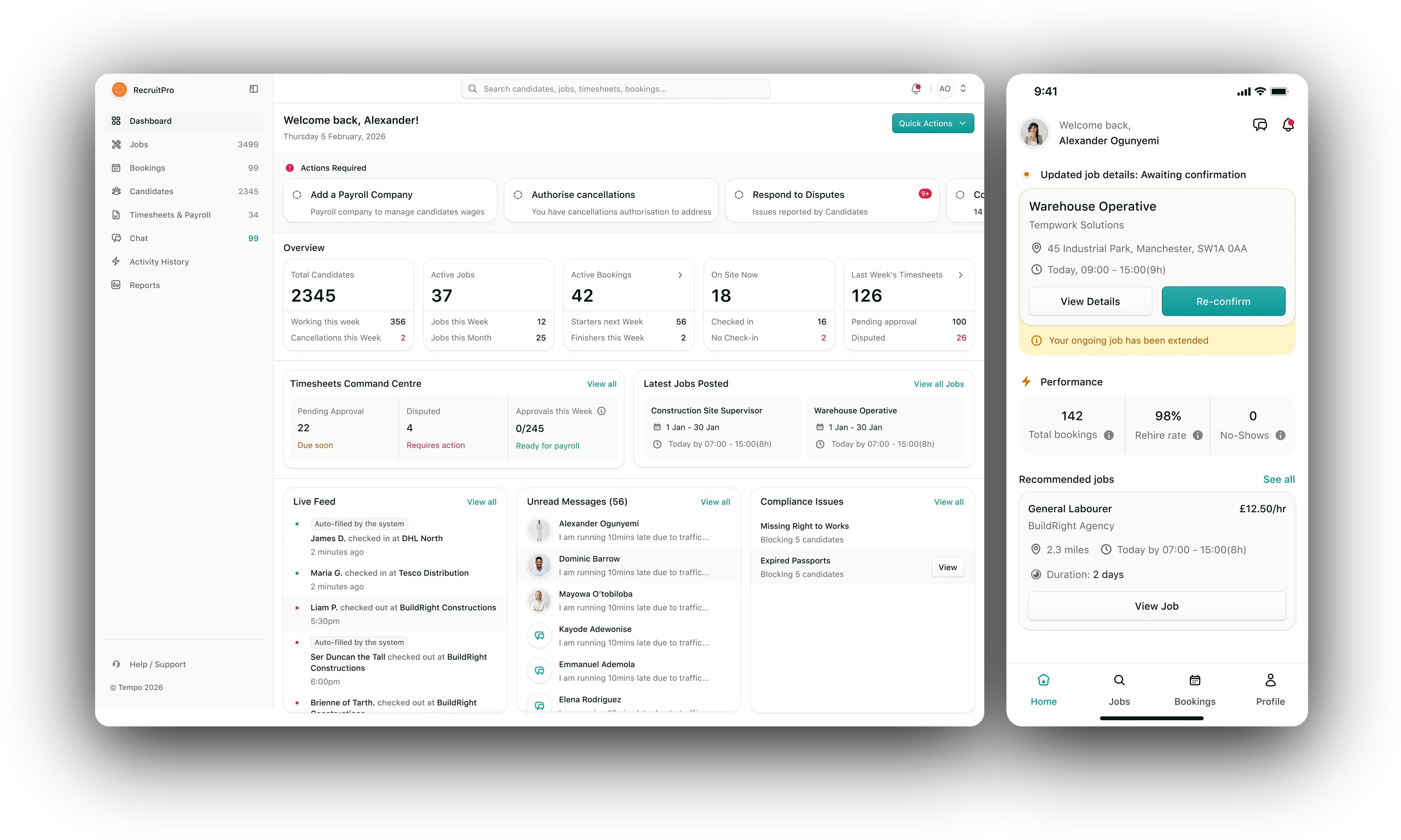
RecruitmentTech: Designing a large-scale SaaS temporary staffing platform serving 100,000+ candidates, transforming how agencies manage workforce operations end-to-end
Doow | SaaS Intelligence Platform
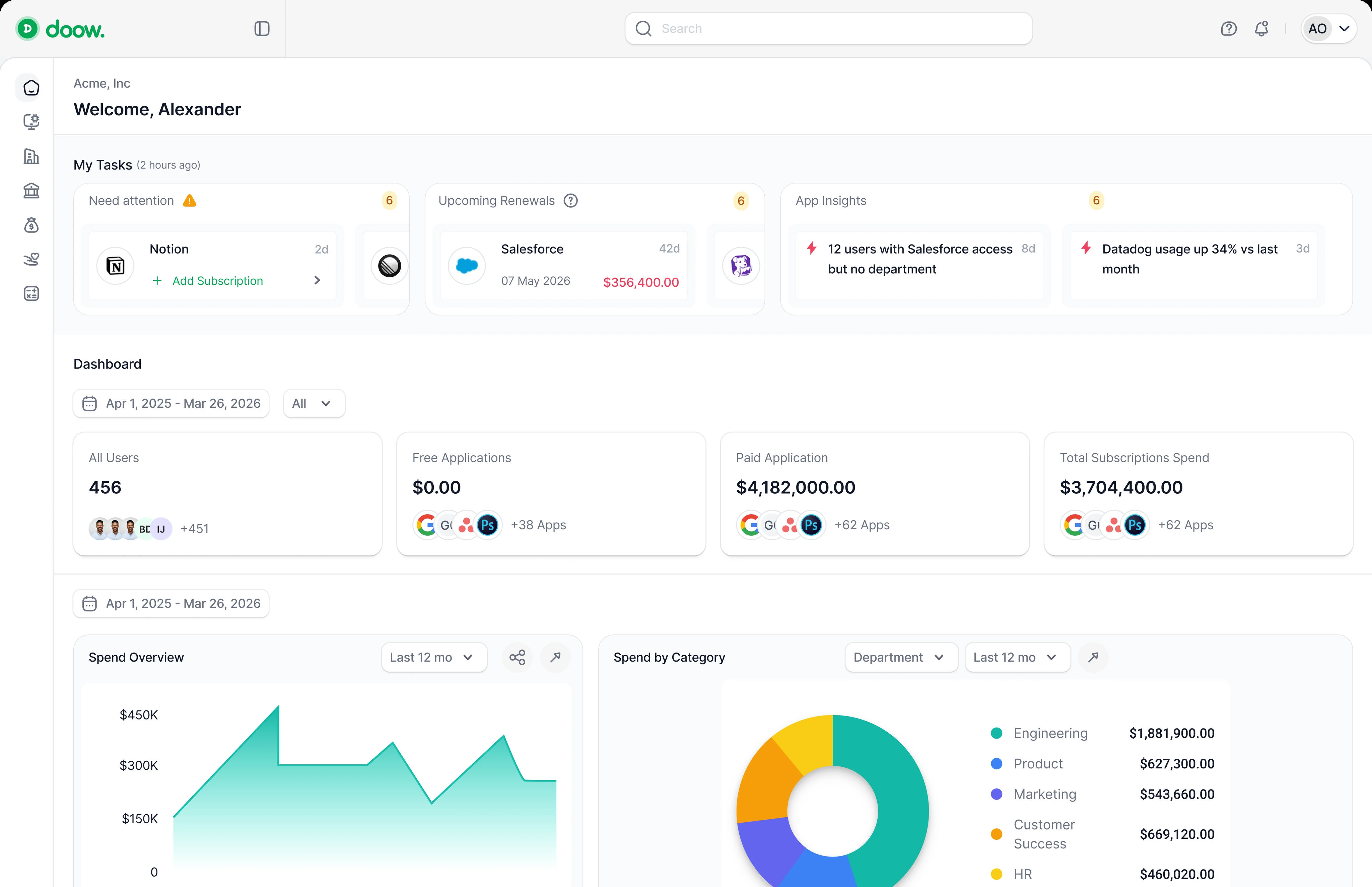
Fintech (SaaS Intelligence): Designed a spend and vendor management platform helping finance and procurement teams see where their company's software money is going and cut waste.
Picashot | Virtual Gaming Photography Platform
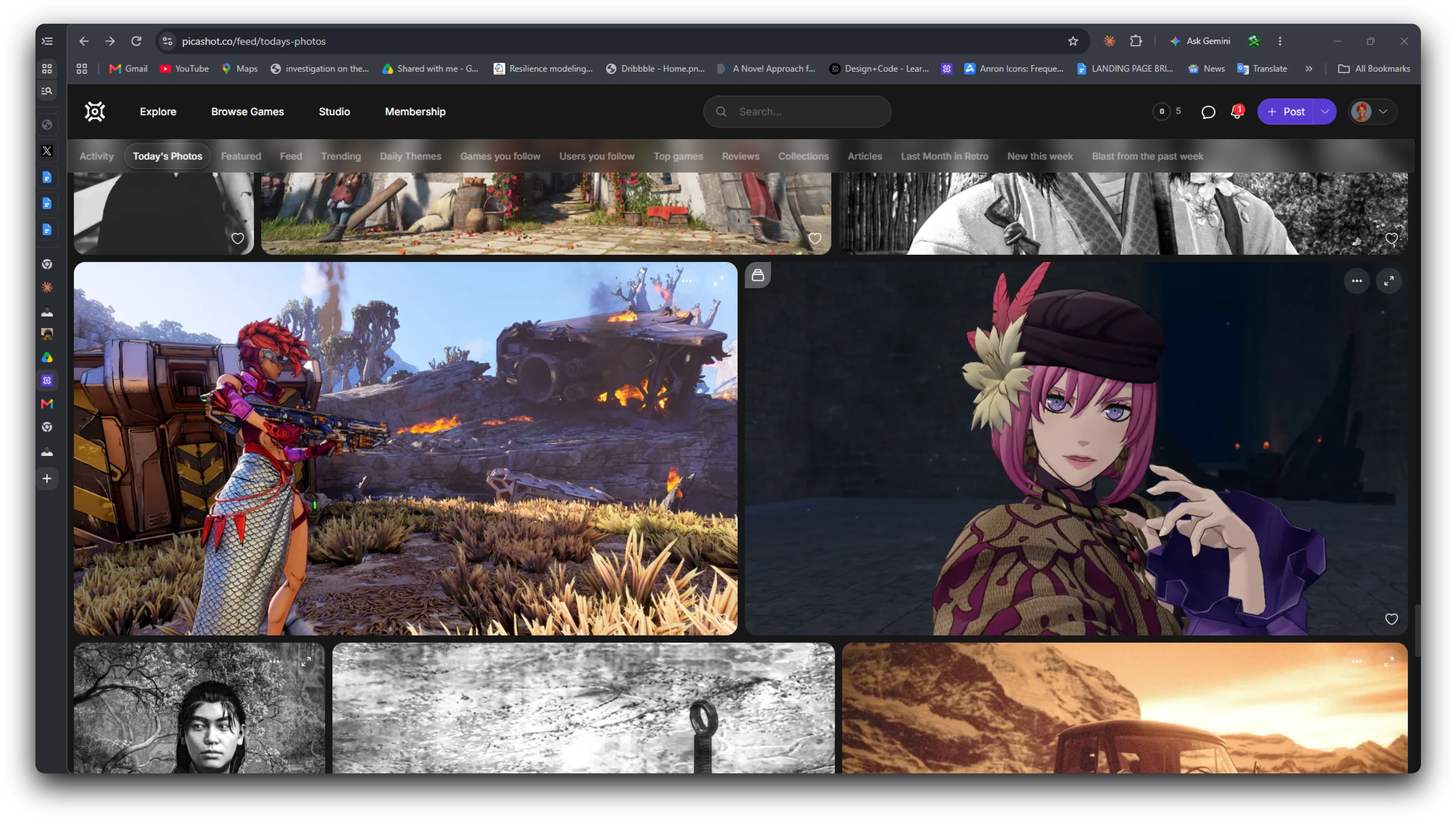
Photo engine for gamers and virtual photographers, with 2,000+ users sharing over 200,000 photos.
PlayAI (YC W23) | AI Voice Generation Platform
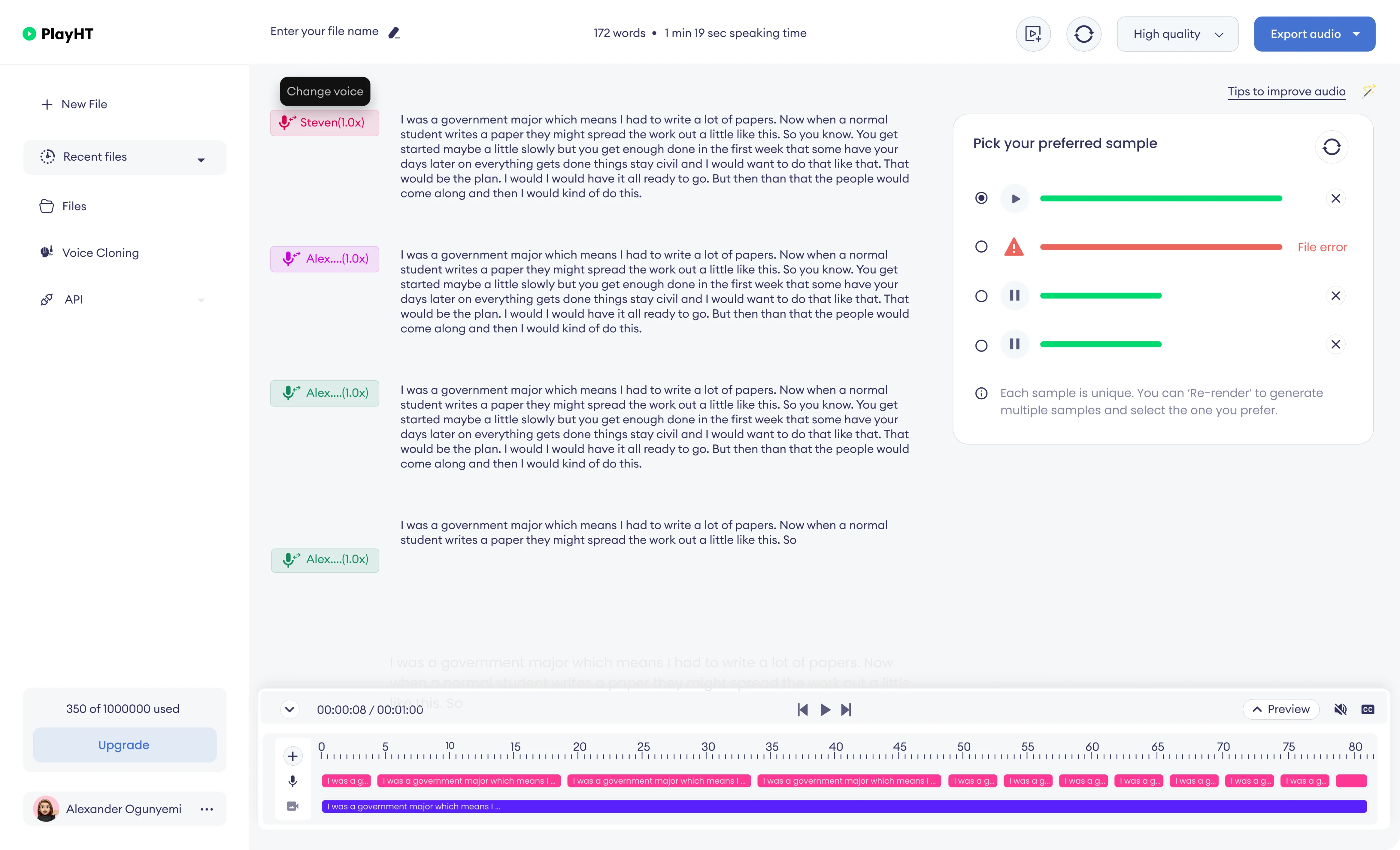
Generative AI: Designed the editor for PlayAI serving 100K+ MAU, a Generative AI company pioneering innovative solutions; TTS (Text-to-Speech, Voice cloning, E-learning, Podcasts, Text to Audio conversion).

Sportsproptech | Sports Betting Platform
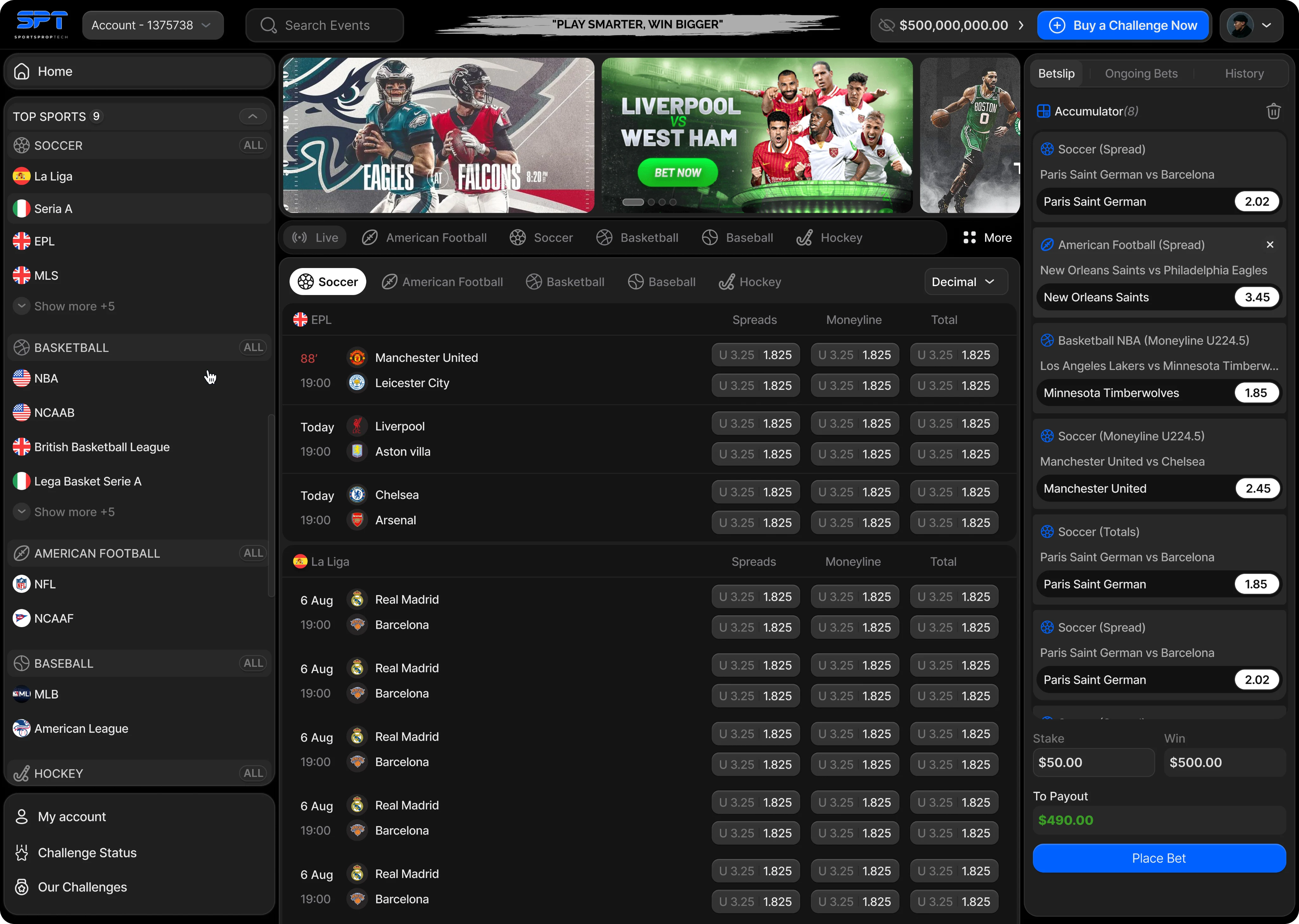
Sports prediction platform: Designed the trader platform that sports prop firms launch on, covering 15+ sports and 50+ leagues on desktop and mobile.



Who I've built with.
Mike Markulla
Fmr CEO, Apple
"People DO judge a book by its cover. We may have the best product, the highest quality, the most useful software etc.; if we present them in a slipshod manner, they will be perceived as slipshod; if we present them in a creative, professional manner, we will impute the desired qualities."
People worth knowing.

Oluwafemi Obajuluwa
Fullstack Software Engineer
Megan Johnson
Content Marketing Manager


